Most people who stop journalling don't stop because they ran out of things to say. They stop because something small got in the way: a blank page that started to feel like a test, a notebook too handsome to spoil, or a missed week that quietly turned into a missed year. Nearly all of these obstacles are habits rather than problems, and habits can be adjusted. Here are the mistakes beginners make most often, and what to do instead.
Expecting every entry to be worth reading
New journallers often write the way they would write for an audience: full sentences, tidy paragraphs, a point at the end. Then they read it back, decide it sounds dull, and the notebook goes in a drawer.
A journal isn't a first draft of anything. It's a working surface, closer to a workbench than a bookshelf. The entries don't need shape, and half of them won't make sense a month later. That's normal, and it isn't a failure.
The practical fix is to write badly on purpose. Set a timer for six minutes, keep the pen moving, and leave the mistakes where they fall. No crossing out, no going back to improve a sentence. If nothing comes, describe the room you're sitting in, or write down the last thing someone said to you and what you made of it. Some people find it helps to keep these scruffy entries in a separate notebook, so the "proper" pages stay untouched. The point is to make starting cheap, because the version of journalling that survives is the one you can face when you're tired and unimpressed with yourself.
Waiting for something worth writing about
There's a belief that an entry needs a subject: a holiday, a crisis, a decision. In practice, ordinary days are what make a journal worth keeping. A page from a Tuesday in March, describing a slow bus and an argument about dinner, will tell you more in five years than a carefully composed summary of a big event.
If you feel you have nothing to report, try one of these
- Three things you did today that you'd otherwise forget by Friday
- Something you noticed on the way to work — light on a wall, a stranger's coat
- A sentence you overheard and can't stop turning over
- What you're avoiding, and the excuse you're using to avoid it
- One small thing you're looking forward to this week
None of it is dramatic. All of it accumulates, and the accumulation is the point.
Falling down the equipment rabbit hole
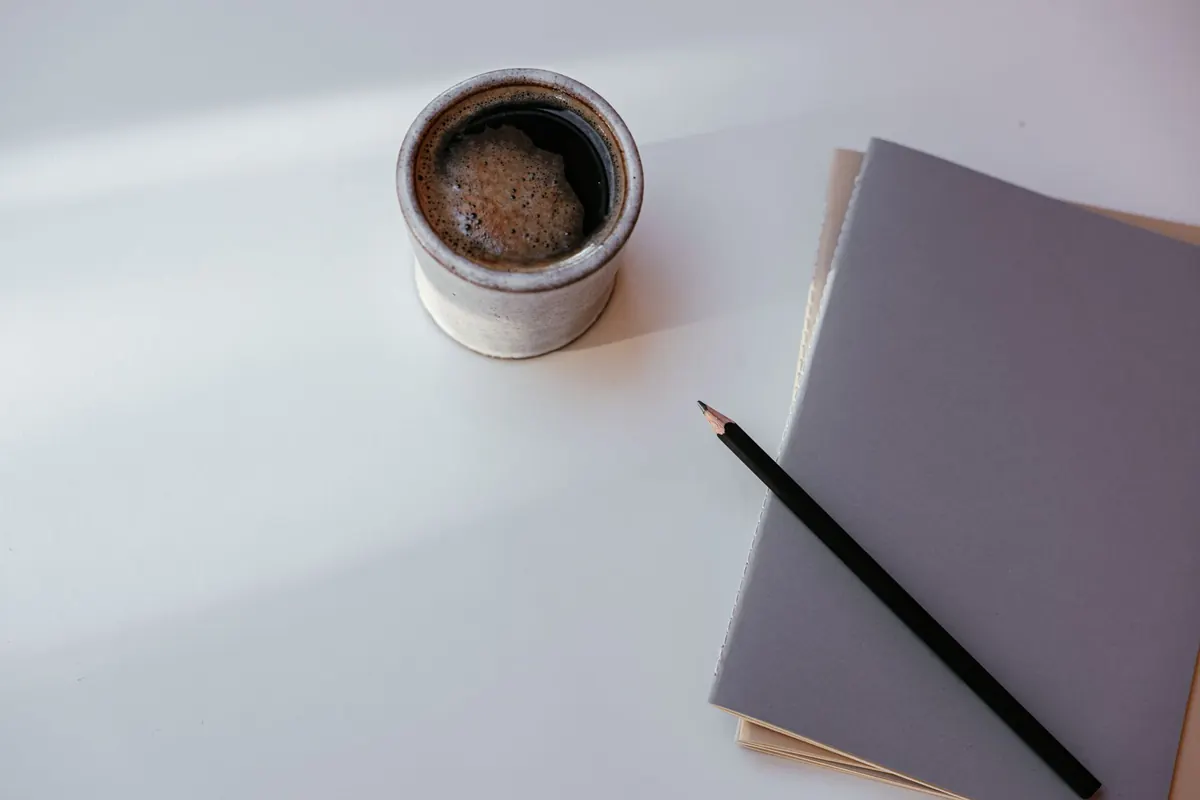
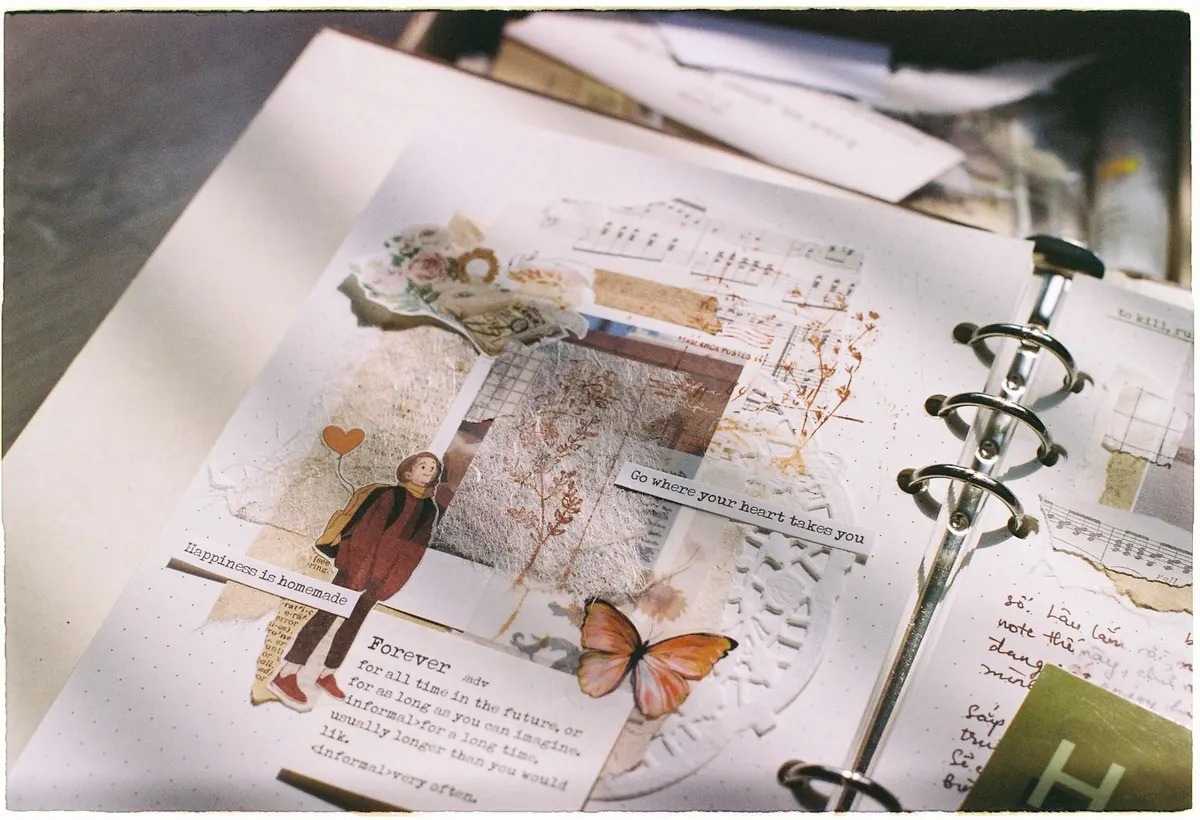
A beautiful notebook with thick paper and a ribbon marker can be the enemy of a daily habit. The more expensive the object, the more it feels a shame to fill it with complaints and shopping lists. The same goes for comparing apps, hunting for the right pen, and reading about journalling instead of doing it.
Choose something cheap enough that ruining it doesn't matter. A supermarket notebook, a notes app you already have, the back of a diary. If you genuinely enjoy nice paper, use it, but treat the first page as scrap: date it, write one rubbish line, and carry on. The tool is supposed to disappear, and the quickest way to make it disappear is to stop caring what it cost.
Writing for a reader who doesn't exist
Most people censor themselves without realising it. You leave out the petty thought, the money worry, the thing you'd rather not admit. Sometimes that's because you're picturing someone finding the notebook; sometimes it's just the habit of being reasonable in front of other people.
Decide your privacy once, then stop thinking about it. Where does the journal live? Who, realistically, could read it? If the answer is nobody, you can write freely. If you share a house and still worry, use initials instead of names, or keep it somewhere only you go.
It's worth saying too that writing about how you're feeling can help you spot patterns, but it isn't a substitute for support. If the pages are making things feel heavier rather than lighter, or you're dealing with something that frightens you, speak to your GP or another qualified professional.
Chasing a streak you'll inevitably break
Streaks are motivating for about eleven days. Then a late night, a sick child or a forgotten bag breaks the chain, and the whole thing starts to feel like a debt. Many people abandon a journal for years after missing a fortnight.
Stop counting days. Aim for a loose rhythm instead: three or four entries a week is a healthy habit, and a single page on a Sunday is better than nothing. Set the bar deliberately low — three lines, dated, counts. If you miss a month, write today's date and start where you are. Nobody is marking it.
Only writing when things go wrong
It's common to reach for a journal in a bad week and ignore it in a good one. The result is a document that reads like a list of grievances, which is dispiriting to revisit and can quietly convince you that your life is worse than it is.
Balance it out. When something goes right — a good conversation, a job finished, an afternoon that felt easy — write two lines about it while it's fresh. You don't need to be grateful or poetic. Walked to the park. Cold but good. Slept properly for once. That's plenty.
And read back occasionally. Once a month, flick through the last few weeks and note one thing you'd forgotten. It's the cheapest way to see your own patterns.
A simple way to start again
Journalling isn't a personality trait, and it isn't a discipline you either have or don't. It's a habit, and habits respond to being made easier.
Keep the notebook where you'll actually see it: next to the kettle, on the pillow, in the bag you take everywhere. Attach it to something you already do — the ten minutes after you get into bed, the wait while the coffee brews. Write the date first, because the date is easier than the first sentence. Accept that most entries will be unremarkable and that some will be dull to read later.
Then, when you inevitably drift away for a while, come back with one line rather than a fresh start. The journal that helps you is the one you're willing to fill badly.
Photo: Towfiqu barbhuiya / Pexels