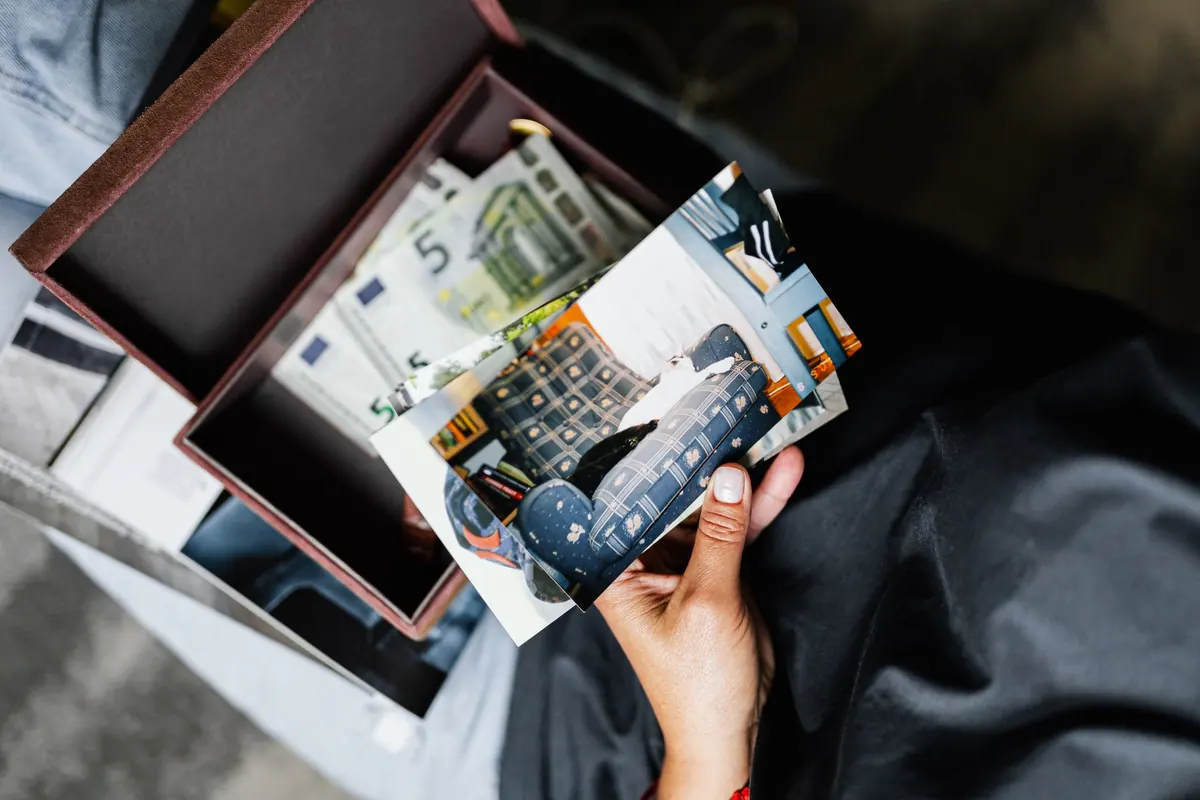
Most family memories don't vanish in one dramatic moment. They go quietly: a shoebox of photographs with nothing written on the back, a holiday nobody got round to describing, the funny thing your daughter said on a Tuesday that you were sure you'd remember. Keeping a record comes down to a format, and the two most popular are the diary and the scrapbook. They are less rivals than different tools, and knowing what each does well makes the choice much easier.
What a diary does best
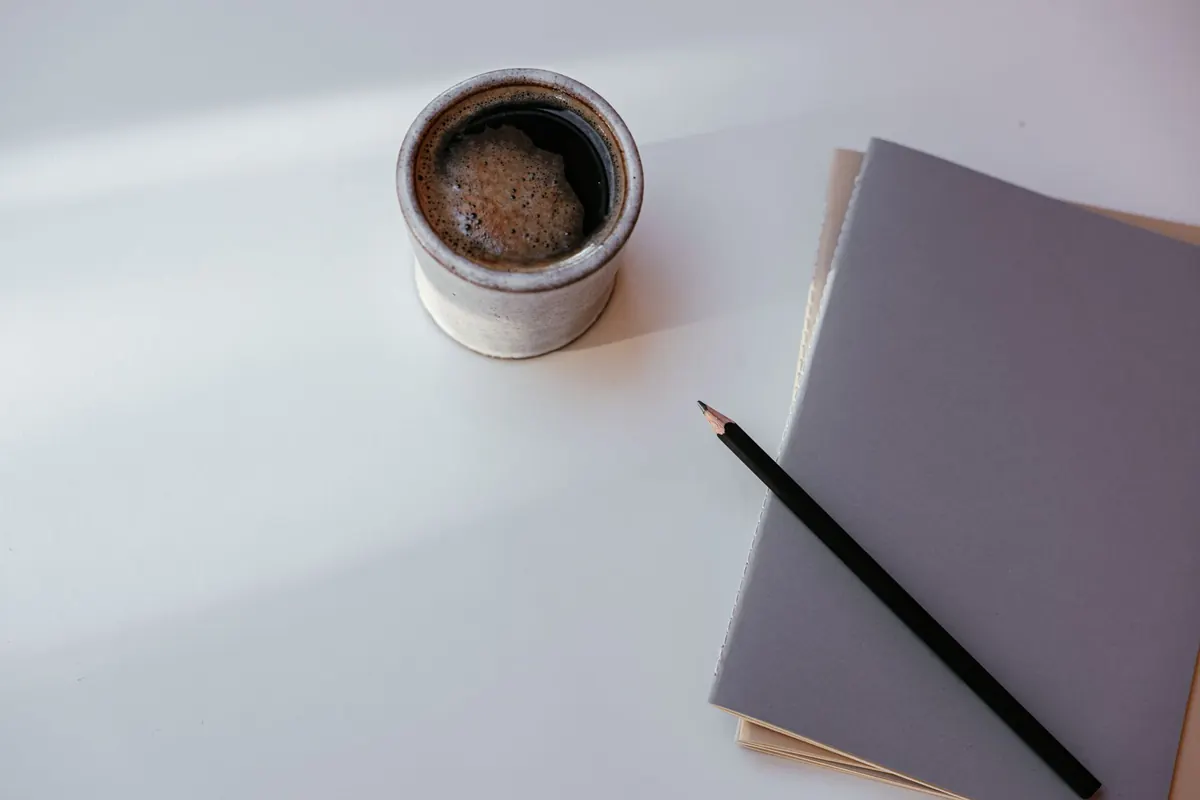
A diary is words arranged by time. You write an entry — daily, weekly, or whenever something is worth noting — and the dates do the organising for you. It is the quickest form of memory keeping there is: a pen, a notebook, ten minutes before bed.
Its real strength is voice. A photograph shows that your son scored a goal; a diary entry tells you he was wearing odd socks, that it rained through the whole second half, and that your dad cheered so loudly he lost his voice. Diaries also catch what nobody thinks to photograph: the argument in the car, the smell of the kitchen, the three weeks when the boiler was broken.
The weakness is that bare words fade in meaning. "Went to Sarah's for tea" will mean almost nothing in fifteen years. Names blur, and the detail only stays useful if you keep writing it down.
What a scrapbook does best
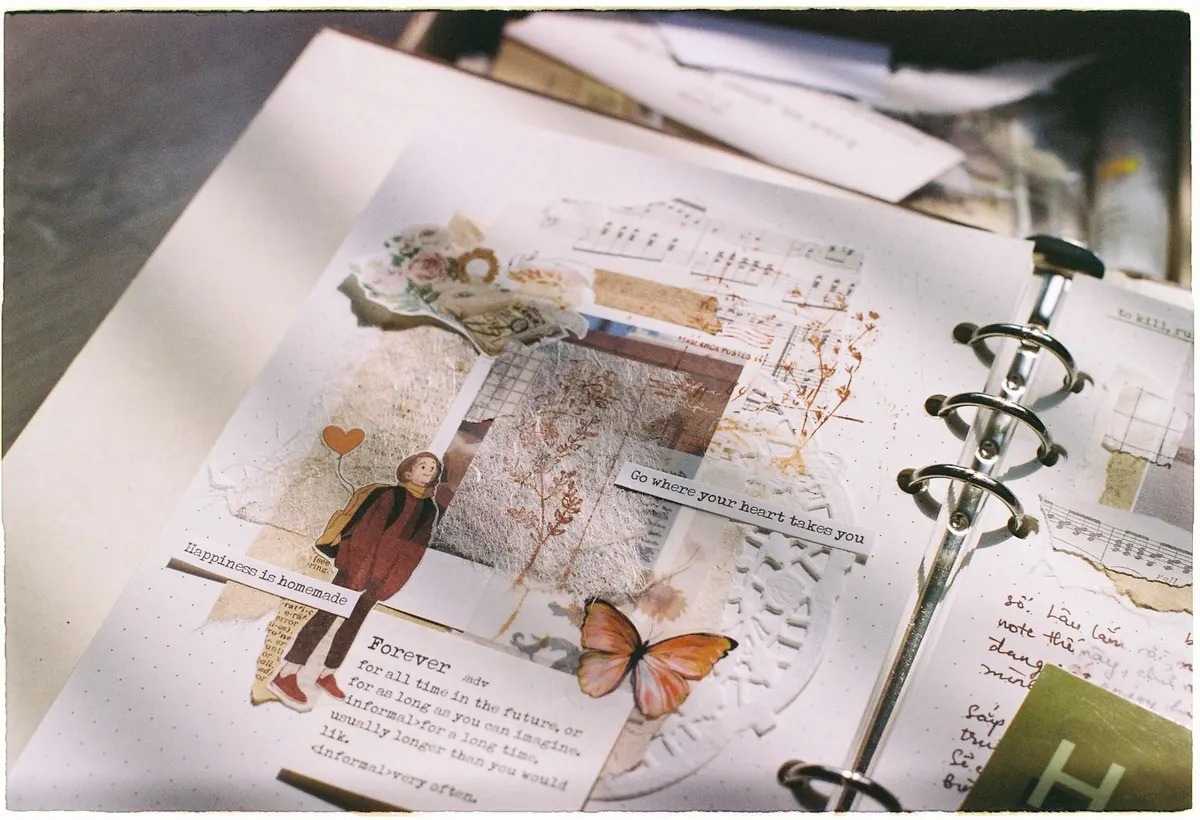
A scrapbook is objects arranged by event or theme. Photographs, ticket stubs, birthday cards, a pressed flower, the menu from an anniversary dinner — stuck down and captioned. Where a diary asks you to describe, a scrapbook shows.
That makes it instantly enjoyable. A child can turn the pages and recognise herself without reading a word. A visitor understands a whole trip in ninety seconds. And because a ticket stub or a hospital wristband triggers memory physically, you often recall far more while making the page than you would staring at a blank notebook.
The cost is time and space. Scrapbooking needs a table, materials and a willingness to get glue on your hands. Leave the stubs in an envelope for two years and the enthusiasm tends to go with them. Where you can, use acid-free paper, photo-safe pockets and proper mounting tape; ordinary sticky tape yellows and can damage photographs over time.
How they compare, point by point
- Speed: a diary entry takes five minutes; a scrapbook page can take an evening.
- Voice: diaries keep the way people actually spoke. Scrapbooks keep how things looked.
- Everyday detail: diaries win. Nobody photographs a nothing Tuesday.
- Milestones: scrapbooks win. Birthdays, weddings and first days at school are visual events.
- Sharing: scrapbooks suit children, relatives and anyone who won't sit and read.
- Storage: a year of entries fits one slim notebook; a year of scrapbooking may need a shelf.
- Risk of stalling: scrapbooks stall when the backlog grows. Diaries stall when the habit slips — but a missed week is easier to catch up than a missed year of pages.
Where diaries quietly win
Diaries are better at the texture of family life. They hold feelings, routines and small changes you'd otherwise miss — the last time a child asked to be carried, the phase when everyone ate nothing but pasta.
They also suit people who think in sentences rather than pictures, and they travel well. A notebook goes in a coat pocket; a scrapbook stays on the dining table. If you want a record of a difficult year — an illness, a move, a bereavement — plain writing is often the only honest way to do it, and it doesn't need to look beautiful.
Where scrapbooks quietly win
Scrapbooks are better at being picked up. There is a particular pleasure in watching a grandparent leaf through photographs with the names written underneath, or a teenager finding a picture of herself at four with a bowl on her head.
They are also the stronger choice for remembering someone who has died. Handwriting, a favourite recipe card, a bus ticket from a regular route — objects carry a weight a paragraph rarely matches. And scrapbooking can be a shared activity, which matters if you want the children involved rather than watching you write.
Keeping both without doubling the work
You don't have to choose one forever. The simplest approach is to let the diary do the writing and the scrapbook do the showing:
- Keep one notebook per year. Three lines on a quiet day is enough.
- Drop ticket stubs, cards and spare photographs into an envelope labelled with the month as you go.
- Twice a year, turn one envelope into two or three scrapbook pages, using your diary entries to write the captions.
- Photograph finished pages and scan anything you'd hate to lose. Digital copies survive a flood; paper doesn't.
A diary entry copied out and stuck beside a photograph is often the best page in the book. The picture does the looking; the words do the telling.
Choosing your format
Ask three questions. Who is this for — you, your children, or someone not born yet? Will they read it or look at it? And how much time will you honestly give it each week?
If you enjoy writing
Start a diary tonight. Write the date, one thing that happened and one thing you want to remember about how it felt. Missing a day or two won't ruin it.
If you enjoy making things
Start a scrapbook with ten photographs and short captions. Don't wait for a significant event — a rainy Sunday with the family is enough material for a page.
If you're torn, begin with the diary, because writing needs no equipment and the habit is easier to build. Add the scrapbook once you have a pile of things worth sticking down. Whichever you choose, date everything, keep it dry and out of direct sunlight, and don't store it in a damp garage or loft. An undated photograph in a leaking box is how memories get lost; a dated one with three lines written underneath is how they survive.
Photo: stayhereforu / Pexels