Most diaries are written for an audience of one: you, on the day, in a hurry. That is exactly what makes them worth keeping. An entry that felt throwaway at the time — the weather, an argument in the car, the price of a train ticket — becomes evidence of an ordinary life once a few decades have passed and the people in it have grown up or moved away.
The difficulty is that a shelf of half-filled notebooks isn't a keepsake yet. It's raw material, and raw material needs choosing, explaining, and somewhere sensible to live.
Start by gathering, not buying
Don't go shopping for a beautiful leather journal. Begin with what you already have: notebooks in drawers, notes on your phone, the back pages of a work diary, letters you never sent, a few typed pages from a difficult year.
Spread it out and sort it roughly by year. Anything undated gets a date in pencil in the margin, even an approximate one. "Spring 2014, probably" is far more useful to a future reader than a blank page, and pencil can be rubbed out if you change your mind later.
Put anything unreadable, water-damaged or unfinished to one side. Not everything has to make the cut, and a pile you can actually work through beats a pile that intimidates you.
Choosing what deserves to stay
A keepsake isn't a complete archive. You're not trying to preserve every Tuesday since 2009. You're choosing the entries that let someone else picture your life.
These tend to earn their place:
- Days that changed something: a move, a first day, a last day, a difficult conversation.
- Ordinary days that capture a season — what you cooked, what the street sounded like, what a child said at the table.
- Entries about people, with enough detail to bring them back into the room.
- The ones that explain a decision: why you left the job, why you moved back, why you waited.
- A handful of bad days. Families often value these most, provided they come with context.
Some entries are private, and that is allowed. If you genuinely would not want a grandchild to read it, take it out of the keepsake pile now and store it separately. Making that decision yourself is kinder than leaving it to someone else.
Annotating: giving the future reader a hand
An unannotated diary is hard work. Nicknames mean nothing, places have been renamed or demolished, and the thing you were so worried about in March is never resolved on the page. A few short notes fix most of this.
The details that matter
- Full names and relationships. "Sal" becomes "Sarah Okafor, my sister-in-law". Initials go the same way.
- Places. The street, the village, the flat, the office. "The old house" tells a reader nothing.
- In-jokes and slang, decoded in a few words. Not explained to death, just enough.
- What happened to the people and animals mentioned, where you know.
Add the ending, not a correction
Never rewrite the original. If you guessed wrong, or worried about something that never happened, leave it exactly as it is. The misreading is part of the record. Instead, write a line at the end of the passage: "We moved in the August. It was the right decision." Or: "He was born in April, so we didn't know yet." Two sentences is plenty.
Annotate in pencil in the margin if you can bear to, or type your notes on a separate sheet and keep it with the pages. Pencil is reversible. Ink isn't.
Turning entries into something you can hold
There is no single right format. Choose the one you will actually finish.
- A printed book. Type or scan your chosen entries and set your annotations in italics or a different typeface, so a reader can tell your voice then from your voice now. One copy is enough to start.
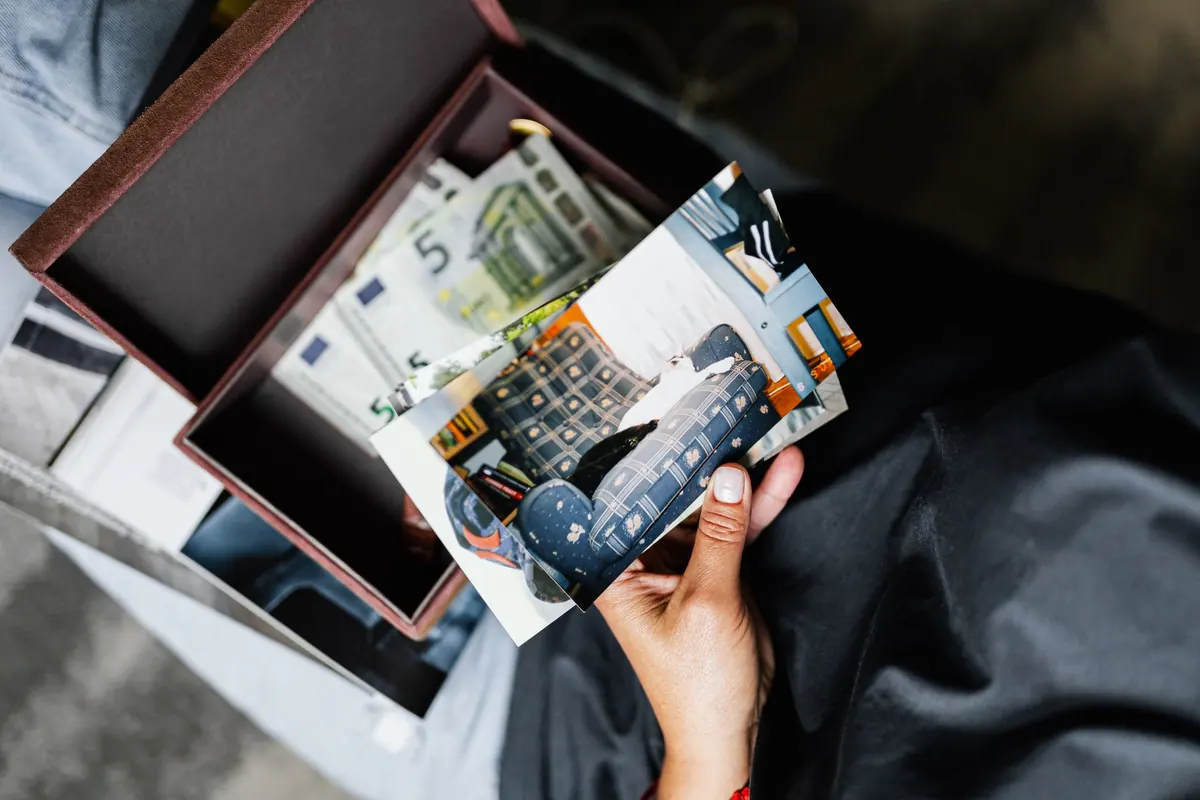
- A box file. An acid-free folder, entries in date order, dividers by year, and a one-page index at the front.
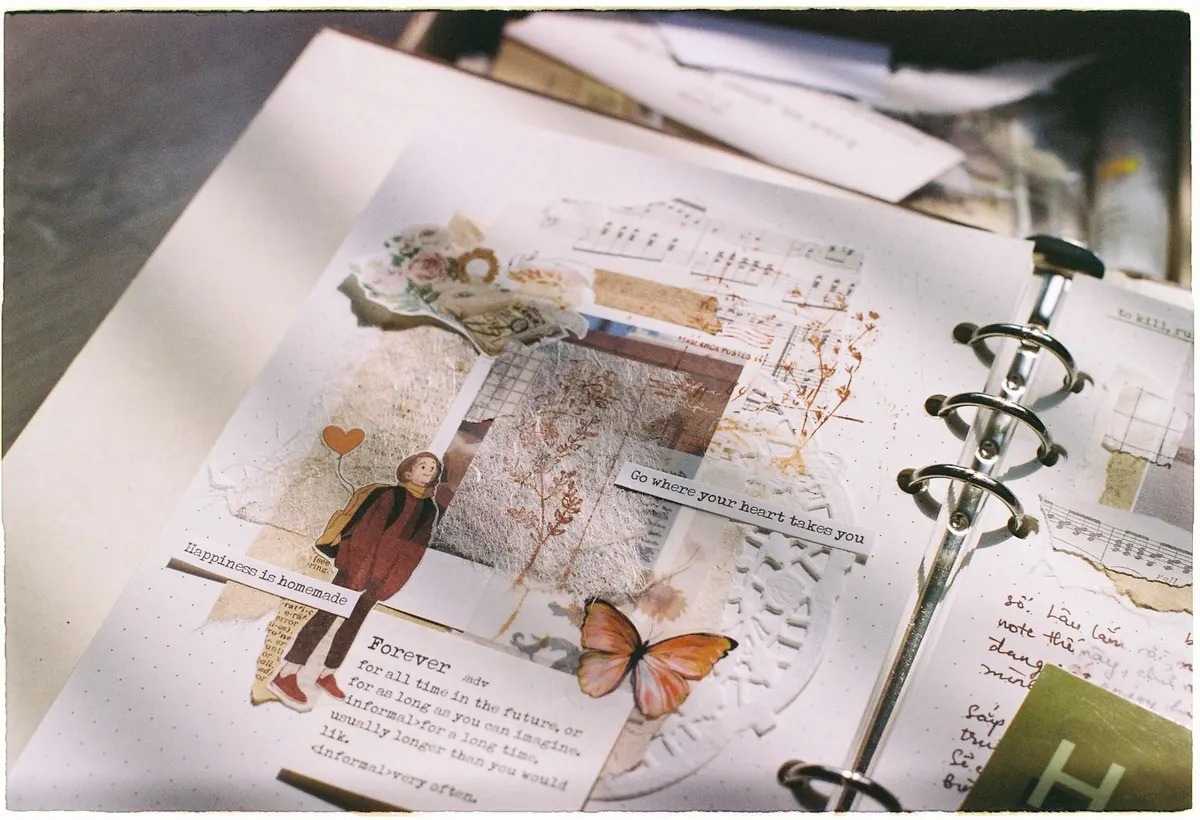
- A scrapbook. Entries alongside photographs, tickets and cards. Photocopy diary pages rather than gluing in the notebook itself, and keep the original separate.
- A digital set. Photograph or scan pages at a decent resolution, and keep two copies in different places.
Whatever you pick, add one page at the front: who wrote this, which years it covers, and the names of the people who appear most often. That single page does more for a reader than any amount of clever annotation.
Storing it so it lasts
Where you keep a keepsake matters more than how much you spend on the box.
- Keep it out of the loft, the garage and the shed. Heat, damp and pests do the real damage.
- A cool, dry, dark shelf inside the house is ideal, in an acid-free box or folder.
- Avoid sticky tape and ordinary plastic sleeves, which can stain or damage paper over time. Use acid-free folders, paper envelopes or polyester sleeves, and paper clips rather than staples.
- Back up anything digital in two places, and check the files still open every few years.
- If you're considering leaving the collection to a museum or record office one day, ask them what they accept before you post anything.
If you're sorting out family papers alongside a will or an estate, take proper legal advice rather than relying on a folder label. Storage is something you can manage yourself; inheritance is a different question.
Start this weekend
- Set aside one hour and pick a single notebook — the year that matters most, not the whole shelf.
- Read with a pencil and mark the entries you would keep with a light dot in the corner.
- Write three annotations: names, places, and what happened next.
- Photograph or type the chosen pages, and keep the notes with them.
- Label the folder with the year and put it somewhere you can reach without a ladder.
Then stop. One year sorted and stored is worth more than a good intention about twenty. Do the next one next month, and in a few years you will have something a grandchild can open on a wet afternoon and understand, which is all a keepsake really needs to do.